Pages

Showing posts with label science. Show all posts

Thursday, August 15, 2019

Carbon Footprint: Science - Hurumanu

My Investigation

Aim: To look at how I can prevent climate change in the future.

1. Complete the activity 'Ecological Handprint'.


2. Complete the activity 'Carbon Footprint'.


3. Write down your 10 changes to climate change below. Using ideas from the Ecological Handprint and Carbon Footprint list 10 changes that you can make to stop Climate change?

  1.   Save more energy and use less of it. 
  2.   Eat less meat.
  3.   Recycle more often.
  4.   Conserve more water.
  5.   Make sure to unplug electronics when I am done using them.
  6.   Make sure that I turn off my lights.
  7.   Plant trees.
  8.   Think about buying if I actually need them or not.
  9.   Travel less by using fossil fuel vehicles.
  10.   Grow plants that I can eat.

The Years of Living Dangerously (Film, 59 min.)

Monday, August 12, 2019

Climate Change in the Future: Science Hurumanu

Aim; To look at the different ways we can prevent climate change in the future.

Changing Our Future


Name 3 fossil fuels?

  • Oil
  • Coal
  • Gas


What is the cost? The cost is Co2 (Carbon Dioxide).

The CO2 level has soured since when? Since the Industrial Revolution has started.

What are the effects in the UK?

  1.    Heatwaves
  2.    Species could disappear 
  3.    19 out of 20 days warmest day
How many climate refugees will there be in Britain by 2050?
There will be about 200 million climate refugees and some will be in Britain.

When will Fairborn be flooded?
It will be flooded in the next 26 years. 

What are some of the other things that will be 'swallowed by the waves'?
  1.    1000 toxic sites 
  2.    1.5 million homes in England
  3.    100,000 homes for coastal erosion
How can we stop climate change?
  1.    Removing all of the gas emissions
  2.    Plant more trees
  3.    Running cars using solar and batteries
What ideas are school children having about climate change?
  1.    Protesting 
  2.    Not having children
  3.    Reduce the amount of usage of fossil fuels
What is the atmosphere called?

a W___aste___ D____ump____.

What is the last statement the reporter made?

We know what we need to do, we have got the technology. What we lack is the

 political will.


What places will be affected? Various places in New Zealand.

What else do we need to think about? Building a structure where is predicted that the sea level will rise up.

What other places around NZ will be affected? Any of the pacific islands will be affected badly.

What does this do to our drinking water? It will make our water saltier.

What are the main concerns? 
  1. Coastal Erosion  
  2. Coastal Flooding

What can we do?

  1.  Take out the number of fossil fuels we have.  
  2.  Using public transport or using vehicles that don't use much fossil fuels.
  3.  Build a house that is designed in a way that it doesn't waste energy.  

What is the one, silver bullet solution?
There is not an idea or a solution to solve this climate change problem.


What is the mix of things we need to start doing?
  1.  Using renewable energy  
  2.  Solar heating
  3.  Using non-depended of fossil fuels vehicles
What are 3 others you can think of?
  1.  Use bikes/scooters or walk to school instead of using cars.   
  2.  Reduce the amount of rubbish.
  3.  Reuse objects that can be used again for something else.
My Investigation
Where does our food come from?


  • Choose your favorite food.


  1. Upload a picture of it.
Image result for dunkin donuts choco butternut
  1. Draw a picture of it on A4.    


On your blog answer the following questions.


  • Where does the food come from (e.g. is it from another province or country, was it purchased or made locally)? Dunkin Donuts originated in Quincy, Massachusetts in the United States. 

  • How many kilometers away did the food travel to get to you?  About 1,076.3 km. 

  • What are the main ingredients? The main ingredients in this food are; Flour, sugar, cocoa solids, eggs, cream, and milk.

  • How is the food packaged? This food is often packaged in a box to be delivered. 

  • What resources do you need to produce this food item (e.g. land, water, oil, food, etc.)? All of them; land, water, oil, food, etc. 

  • Would this item have been processed? No.

  • Is there anything unique or significant about the food item (e.g. fair-trade, local)? Yes.

  • What else do you notice about this food that affects its climate friendliness? I noticed that Dunkin Donuts also deliver donuts to people, so they use vehicles to get to their destination where they have to deliver the food. Using vehicles release carbon dioxide which is bad for the environment. 

  • Do you think this food is climate-friendly (Circle)?       YES   (NO)


  • Why? No, because you will need to deliver the food. If the destination is quite far you will need a vehicle to get there which release Co2.


  • If no, what would be a better alternative? Maybe, they could use bicycles instead of vechiles that relases Co2. 

Thursday, August 8, 2019

Renewable Energy, Science Hurumanu.

RENEWABLE ENERGY

Aim: To compare the amount of gas that is produced from different types of biomass.

Material:
  1.  Bottles (x 3)
  2.  Permanent Marker
  3.  Disposable Gloves
  4.  Cups
  5.  Fresh Horse Manure 
  6.  Mashed Banana
  7.  Funnel
  8.  Water
  9.  Balloons (x 3)
  10.  Vegetable Peelings
  11.  Tape
Steps:


  1. Get your three bottles and label each one. 
1. Manure
2. Manure & Vegetable Peelings
3. Manure & Mashed Banana

      2.  Place 1 cup of manure in each of the bottles.
      3.  Fill the bottle with water, but don't fully fill it. 
      4.  Put 1 cup of vegetable peelings into one bottle.
      5.  Put 1 banana and mush it, then put it into the bottle.
      6.  Leave one bottle with only manure.
      7.  When finished, put a balloon into on the top of each bottle.
      8.  Put tape around the balloon to secure it. 


A picture of three bottles with balloons on top, containing cow manure with vegetable peelings or mashed banana.
Energy science project


Investigation.


Research the following Biomass fuels. You will need to:

Write a definition of fuel.
Write 8 sentences about fuel. 
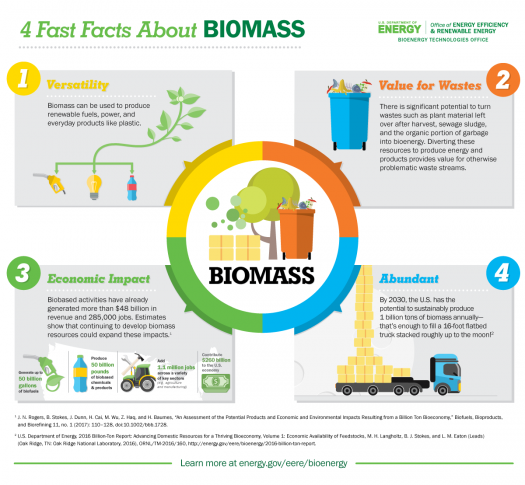
  • How is it made? The plants and trees absorb the energy of the sun. When the biomass is burned it stores energy and is released as heat. 
  • Where is it made? Biomass is used to power vehicles and is being produced by gasification in some countries. 
  • What is it made with? Biomass is made from a living organism, such as plants and animals. 
  • What countries use it? The countries that use biomass are; Sweeden, United States, and Ireland.
  • What uses will it have in the future? I think it will save lots of energy, and it could reduce our usage of fossil fuels. 
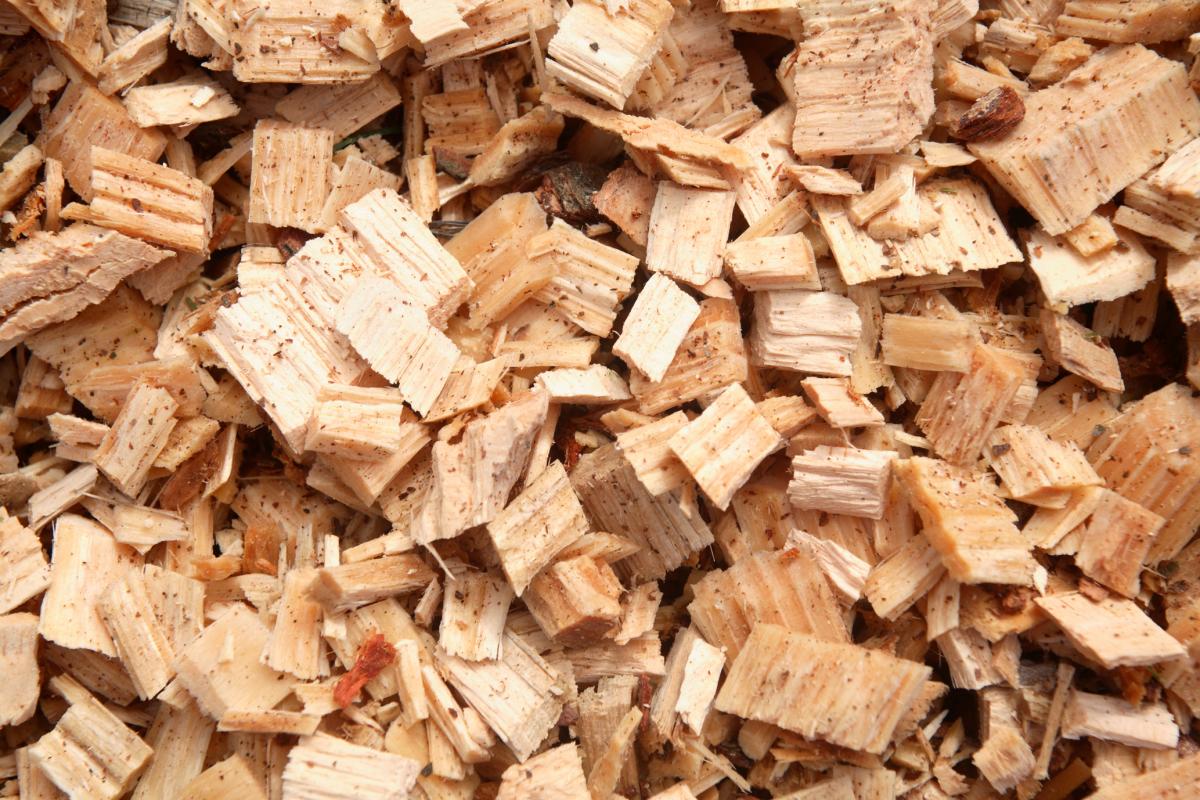
Place 1 image of the fuel.
Image result for biomass

Biomass Fuel types.

Name: Agricultural crops and wood fuels.
Definition: The cereal crops can be used as fuel for the production of heat.

Research: Wood energy is created by the burning of biomass fuel. Solid biofuel comes in a number of resources such as; firewood, shavings, sawdust, wood chips, wood pallets and agricultural crops, such as straw and bark. 

Uses: Can be used as a fuel. 
Image: 
Image result for what is the uses of agriculture and wood fuels


Name: Animal waste.
Definition: Animal waste also known as manure/animal feces. Which can be used as a fertilizer. 

Research: Animal waste are usually may include; wood shavings, straw, hay, and other organic debris. 

Uses: Can be used as a fertilizer or be converted into biofuel. 
Image: 
Image result for what are the uses of animal waste

Name: Biogas
Definition: Biogas is a mixture of other gasses produced by organic matter. It can be produced from raw materials such as agriculture waste, manure, etc.

Research: Biogas is a renewable energy source, most of the gas that it absorbs is Co2 and methane. 


Uses: It can be used for any heating purposes and also cooking. 
Image:
Image result for what is bio gas
Name: Biofuels
Definition: A source of fuel obtained immediately from living material. Such as animals, plants, trees, etc. 

Research: The process of obtaining biofuels are fermentation or chemical reactions.

Uses: It can be used as fuel for vehicles, automobiles, trucks and probably aircraft too.  
Image: Image result for biofuels

Measuring weather experiment. Science Hurumanu - Weather.

Weather and Climate Change 

Measuring weather.

Wind

Beaufort
Force
Wind Speed
(KPH)
SpinsIndicatorsTerms Used in NWS Forecasts
00-20Calm; smoke rises vertically.Calm
12-510Shown by the direction of wind smoke drift, but not by wind vanes.Light
26-1240Wind felt on face, leaves rustle; ordinary vanes moved by wind.Light
313-2080 Leaves and small twigs in constant motion; wind extends light flag.Gentle
421-29130Raises dust and loose paper; small branches are moved.Moderate
530-39190Small trees in leaf begin to sway; crested wavelets form on inland waters.Fresh
640-50250Large branches in motion; whistling heard in telephone wires; umbrellas used with difficulty.Strong
751-61320Whole trees in motion; inconvenience felt walking against the wind.Strong
862-74390Breaks twigs off trees; generally impedes progress.Gale
975-87470Slight structural damage.Gale
1088-101550Seldom experienced inland; trees uprooted; considerable structural damage occurs.Whole gale
11102-116640Very rarely experienced inland; accompanied by widespread damage.Whole gale
12117 or more730+Very rarely experienced; accompanied by widespread damage.Hurricane

Wind speed - Making an anemometer.

Anemometer

MATERIALS 

  1. Pencil with an eraser on top.
  2. Styrofoam Cups.
  3. Pins.
  4. Staws
  5. Tape

STEPS

  1.  Take your straws and combine them together to make a longer straw. Do this method twice.
  2.   When finished take your tape, and wrap the straws where you combined them to make sure they won't fall out. 
  3.  Lay the straws and make them into a cross shape.
  4.  Pin both straws in the center and place it on the top of the pencil where the rubber is.
  5.  Make holes on the styrofoam cup just big enough to fit the straw. 
  6.  Stick the cups into the straws but in the same direction.
Once you have made an anemometer we are going to record the wind speed.

Group size: 5

You will need:

Anemometer (above) 

Roles:


  • Timekeeper
  • Counter
  • Recorder
  • Anemometer Manager
  • Wind generator
  1. Mount the anemometer in a place that has full access to the wind from all directions.
  2. When the timekeeper says "Go", the counter in each group will count how many times the marked cup passes them in one minute and write it down.
  3. If possible, repeat the above step four (4) times and record the average number of spins on the chart.

FINDINGS

  • Record how many times it spins using the table below.
You will need to create the wind yourself by blowing. Get 4 different wind speeds by blowing.

You will need to time them and count the number of spins.

Time IntervalNumber of Spins
1.10 sec8 spins
2.10 sec9 spins
3.10 sec7 spins
4.10 sec11 spins

Time IntervalNumber of Spins
1.1min48 spins
2.1min54 spins
3.1min42 spins
4.1min66 spins
  • Can you make a statement connecting the number of spins of your anemometer and the speed of the wind? 

CONCLUSION:

If the wind is much stronger the more spins you will get as a result.  The 1st up to 3rd rounds were roughly the same.  

Monday, August 5, 2019

Solar Energy: Science Hurumanu


Solar Energy

Catching the sun movie


Materials:


  1.  Cups (x4)
  2.  Water
  3.  Tin Foil
  4.  2 of sheets paper
  5.  1 sheet of black paper
  6.  Thermometre
  7.  1 Big cup
  8.  1 Heat Lamp

Steps

  1.   The first step is to gather all your cups.
  2.   Put water on each of the cups except big cup, fill the smaller cups about the right amount
  3.   Gather all your paper/tinfoil together and place them on a flat surface. (A Table) 
  4.   Put 2 cups on each of the white paper, but one with the bigger cup on top of the smaller cup. To create a greenhouse effect.
  5.   Place the remaining cups on the black paper and one on the tinfoil.
  6.   Take the temperature of all the cups, which should be the same and record it 
  7.   Turn your heat lamp on, it should almost reach every cup.  

Which surface conducts/attracts the most heat?


Time +
temperature
Cup 1
White paper
Cup 2
White paper+ plastic.
Cup 3
Black paper
Cup 4
Tinfoil
0
12oC12oC12oC12oC
40 minutes With
heat lamp
15oC16oC26oC25oC
15 minutes After,
without the heat
lamp
18oC18oC24oC23oC
30 minutes After, without the heat 
lamp
16oC16oC22oC22oC

Findings:


In this experiment, we have found out that the black paper has absorbed more heat than the other cups. The normal cup with the white paper has the least amount of heat absorbed. The tinfoil wasn't too much apart from the black paper, and the white paper with plastic wasn't also too far apart from the white paper.


Conclusion:


Both the black paper and the tinfoil has absorbed the most heat, and both of the white paper has absorbed the least heat.